



OFF-GRID VS. GRID-TIED SOLAR SYSTEMS: PROS AND CONS
When considering long-term sustainability and energy efficiency solutions for your home, solar power systems deserve serious consideration. Understanding which system best suits your specific requirements is essential, as this decision carries significant implications for your energy future.
Residential solar installations primarily come in two varieties – grid-tied and off-grid systems. Each configuration offers distinct advantages and limitations. This comprehensive guide examines both options in detail, providing you with the knowledge needed to make an informed decision for your energy needs. In addition to understanding the differences between grid-tied and off-grid systems, it’s important to familiarize yourself with the residential solar installation process, which can vary significantly based on your chosen system. This involves assessing your home’s energy requirements, evaluating site conditions, and selecting the right equipment. By navigating this process carefully, you can ensure that your solar investment meets your long-term energy goals effectively.
UNDERSTANDING THE DIFFERENCE: GRID-TIED VS. OFF-GRID SOLAR SYSTEMS
When powering your residence with solar energy, you essentially have two primary options: off-grid and grid-tied systems. Off-grid solar installations provide complete energy independence, drawing power exclusively from sunlight. In contrast, grid-tied systems maintain connectivity with your local utility network, creating a hybrid approach to electricity generation.
Your selection between these two configurations significantly impacts various aspects of your solar installation, including equipment efficiency, upfront costs, monthly utility expenses, and the overall return on your investment. Let’s examine each system closely to help guide your decision-making process.
GRID-TIED SOLAR SYSTEMS EXPLAINED
Grid-tied solar systems, alternatively called on-grid or grid-feed systems, represent the most prevalent solar configuration for residential and commercial properties. As their name indicates, these systems connect directly with your local utility grid, establishing a mutually beneficial relationship between your solar panels and the existing power infrastructure.
The operational mechanism of a grid-tied solar system follows this sequence: Solar panels capture sunlight and transform it into direct current (DC) electricity. An inverter then converts this DC electricity into alternating current (AC), which powers household appliances and devices. Once converted, this AC electricity flows through your switchboard to power your home. Any excess energy generated is directed to the power grid, while a meter tracks electricity flow to ensure proper crediting for surplus power production.
A significant advantage of grid-tied solar systems lies in their integration with the utility network. When your panels generate more electricity than your household consumes, the excess flows to the grid, earning you energy credits through net metering. During periods of reduced solar production—such as nighttime or cloudy weather—the system automatically draws electricity from the grid to maintain uninterrupted power supply. This dynamic exchange ensures your home always has reliable electricity without requiring expensive battery storage solutions.
Grid-tied systems also offer greater affordability and reduced maintenance requirements compared to off-grid alternatives. By eliminating the need for backup batteries, homeowners enjoy lower initial costs while still reducing monthly electricity expenses. It’s worth noting that grid-tied systems do have one notable limitation: During power outages, your solar system automatically deactivates to prevent back-feeding electricity into the grid. While this safety feature protects utility workers, it means you won’t have access to solar power during blackouts unless you’ve installed a battery backup system.
For many homeowners, grid-tied solar installations provide an ideal balance between cost-effectiveness and sustainability. These systems enable reduced dependence on fossil fuels, lower utility bills, and contribute to environmental conservation efforts. Additionally, homeowners can benefit from various incentives and tax breaks that make the initial investment more manageable. Moreover, solar energy boosts property value, making homes more attractive to potential buyers. This not only enhances the homeowner’s financial position but also promotes a greener community.
UNDERSTANDING OFF-GRID SOLAR SYSTEMS
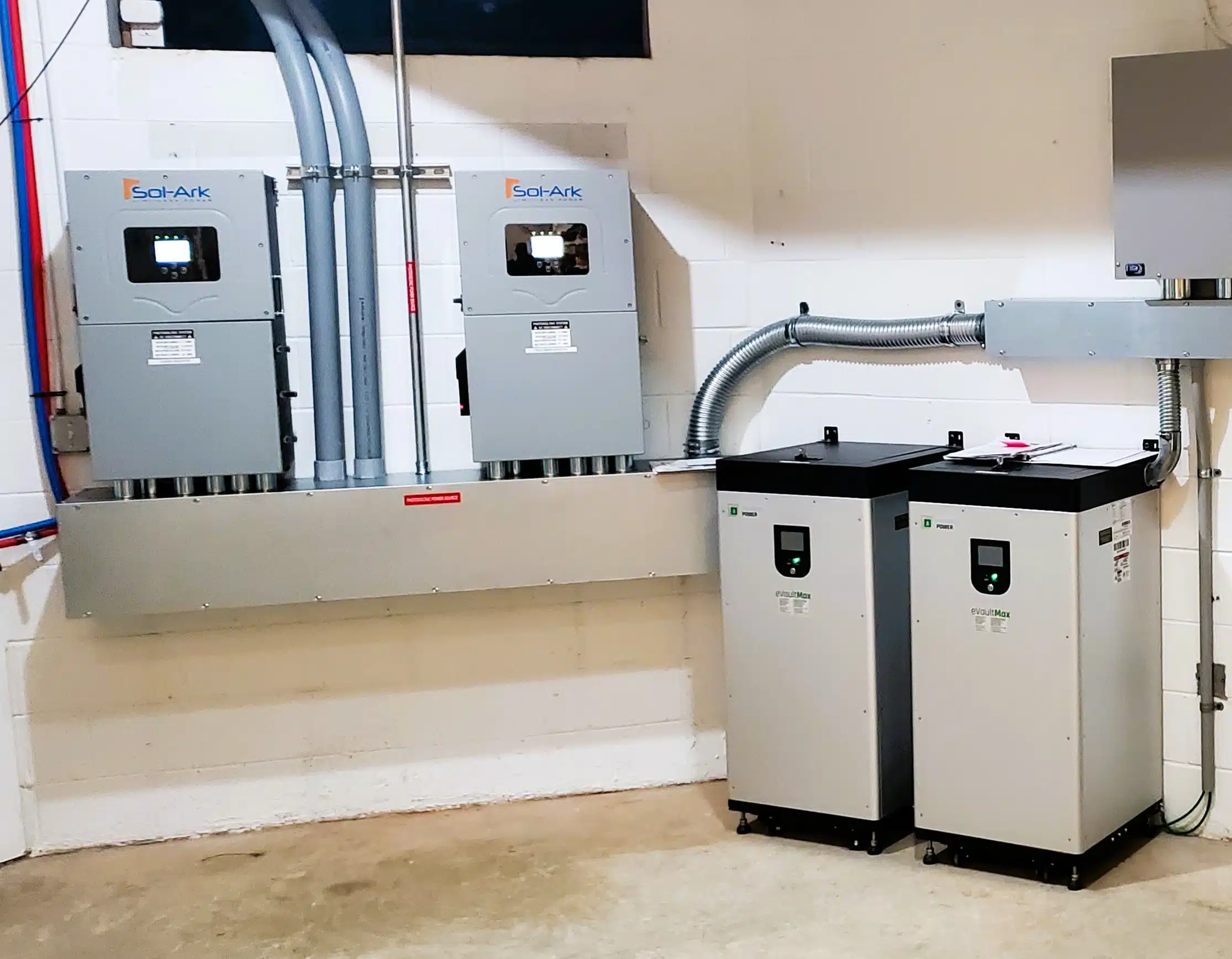
Off-grid solar systems operate completely independently from the utility power grid, relying exclusively on solar energy. These installations provide complete self-sufficiency but involve greater complexity and higher costs than grid-connected alternatives.
Essential components of an off-grid system include:
- Solar charge controller
- Battery bank
- Off-grid inverter
- DC Disconnect (additional)
- Backup generator (optional)
Off-grid solar systems function by harvesting energy from solar panels and charging a battery bank via a charge controller. This controller protects the batteries from overcharging while managing electricity storage. The stored electricity undergoes conversion into AC current through an off-grid inverter, making it suitable for powering your home.
The battery storage component allows your residence to operate exclusively on solar power, regardless of time or weather conditions.
If your location doesn’t receive consistent sunlight throughout the year, you might require additional battery capacity or potentially a backup generator to compensate for consecutive days with insufficient solar exposure.
COMPARING OFF-GRID AND GRID-TIED SOLAR ENERGY SYSTEMS
When selecting between a grid-tied and an off-grid solar system for your residence, understanding their fundamental differences is crucial. By examining factors such as electricity accessibility, management of surplus energy, performance during power disruptions, and impact on utility bills, you can make an informed selection that aligns with your needs and lifestyle preferences.
Accessibility to Electricity
A key benefit of grid-tied solar systems is their continuous access to electricity. When connected to your local utility network, your home can seamlessly draw power from dual sources: your solar array and the grid. During sunny periods, your panels absorb and convert sunlight into usable electricity. When clouds appear or night falls, the system automatically transitions to grid power, ensuring uninterrupted electricity supply.
Conversely, off-grid systems depend entirely on the energy generated by your solar panels and stored in your battery bank. This means your electricity access is constrained by available sunlight and battery storage capacity. If your region experiences extended periods of limited sunshine or your energy consumption exceeds your storage capabilities, you may encounter power shortages.
Handling of Excess Energy
Grid-tied solar systems offer a distinctive advantage regarding surplus energy management. When your panels produce more electricity than your home requires, the excess flows back to the utility grid. In most states, this process, known as net metering, is mandatory and allows you to accumulate credits on your electricity bill. These credits offset the cost of grid power consumed during low-production periods.
Off-grid systems, however, store excess energy directly in battery banks. This stored electricity becomes an invaluable resource during cloudy days or when sunlight alone cannot meet your power needs. Once batteries reach maximum capacity, any additional surplus energy typically goes unused unless you implement alternative storage methods or can redirect it to other applications.
Power Outage
A notable disadvantage of grid-tied solar systems is their vulnerability during blackouts. When the utility grid experiences a power failure, your solar panels automatically shut down to prevent dangerous back-feeding of electricity into the grid. This safety measure protects utility workers repairing power lines but leaves your home without electricity. Unless you’ve installed a backup battery system or generator, you’ll remain powerless until grid service resumes.
Off-grid systems, being independent from the utility network, remain unaffected by grid outages. Your residence continues receiving electricity as long as your solar panels and battery bank function properly. This self-reliance proves particularly valuable in areas prone to frequent blackouts or during natural disasters that might disrupt grid service for extended periods.
Electricity Bills
While grid-tied solar systems can substantially reduce your electricity expenses, they don’t eliminate them completely. Even with net metering benefits, you may still encounter minimal charges, such as service fees for grid connection or demand charges during peak usage times. These costs vary depending on your utility provider and local regulations.
Off-grid systems, with their complete self-sufficiency, allow you to eliminate electricity bills entirely. By generating and storing your own power, you become your personal utility company, free from the fluctuations and charges associated with commercial power providers. However, it’s important to recognize that the initial investment for an off-grid system, including panels, batteries, and necessary equipment, can be substantial.
SELECTING THE IDEAL SOLAR SYSTEM: KEY CONSIDERATIONS
When deciding between grid-tied and off-grid solar installations, several critical factors warrant consideration:
Budget
Grid-tied systems generally offer greater cost-effectiveness, allowing you to reduce monthly electricity expenses and potentially generate revenue through net metering credits. Off-grid systems, while providing complete independence, involve higher initial costs due to additional required equipment, including battery banks and backup generators. Evaluate your financial situation and long-term objectives to determine which option best aligns with your budget constraints.
Location
The suitability of either system often depends on your geographical setting. If you reside in an urban environment with readily available power infrastructure, a grid-tied system can easily integrate with existing utilities. If your property is situated in a remote location or distant from the nearest utility connection, an off-grid system may prove more practical, eliminating the need for costly grid extensions.
Energy Needs
Consider your household’s electricity consumption patterns when choosing between systems. For larger residences or buildings with substantial power requirements, a grid-tied system provides the security of reliable backup during periods of reduced solar production. Alternatively, if you maintain a smaller home or live in an area susceptible to frequent power disruptions, an off-grid system can deliver consistent, stored power to satisfy your energy demands.
Ultimately, your decision between grid-tied and off-grid solar depends on your specific circumstances and priorities. If budget considerations and convenient grid access represent your primary concerns, a grid-tied system likely represents your optimal choice. If you value complete energy independence and willingly invest in a more comprehensive setup, an off-grid system can deliver the self-sufficiency you desire.
Regardless of which path you select, the fundamental goal remains embracing a sustainable and efficient lifestyle. The journey toward renewable energy represents a significant step toward a cleaner, more sustainable future powered by the abundant energy of the sun.